Ever wake up feeling like your body’s running on emotional static—irritable, exhausted, bloated for no reason, and craving carbs like they’re oxygen? You check your calendar: not your period week… so what gives? If this sounds familiar, you’re not broken—you’re probably dealing with a hormonal imbalance. And trust me, as someone who spent years misdiagnosing her own cortisol crashes as “just stress,” I’ve been there.
In this guide, I’ll walk you through exactly how do I balance my hormones using science-backed, clinically informed strategies that actually work in real life—not just in textbooks. You’ll learn why blood sugar stability matters more than trendy detox teas, how sleep quality impacts estrogen metabolism, which lab tests actually reveal the truth (spoiler: not all “hormone panels” are equal), and one terrible piece of advice that could make everything worse. Plus, I’ll share what finally helped my clients—and myself—get off the hormonal rollercoaster for good.
Table of Contents
- Why Hormone Imbalance Feels Like Adult-Onset Puberty
- Step-by-Step: How to Start Balancing Your Hormones Today
- 7 Non-Negotiable Best Practices (Backed by Endocrinology & Real Life)
- Real Client Case Study: From Chronic Fatigue to Cycle Syncing Success
- FAQs About Hormone Balance
Key Takeaways
- Hormone imbalance isn’t just “PMS”—it can stem from blood sugar dysregulation, chronic stress, poor liver detox, or nutrient deficiencies.
- Ditch extreme diets; consistent protein + fiber intake stabilizes insulin and supports progesterone production.
- Sleep before midnight isn’t poetic—it’s when your liver detoxifies excess estrogen (hello, clear skin and steady mood).
- Not all hormone tests are equal: DUTCH testing > single-point serum labs for cortisol and sex hormones.
- Avoid the “cleanse trap”—many detox protocols deplete essential fats your body needs to make hormones.
Why Hormone Imbalance Feels Like Adult-Onset Puberty
Here’s the thing no one tells you: your hormones aren’t just about periods or fertility. They regulate your metabolism, brain chemistry, inflammation response, even your gut microbiome. When estrogen dominance creeps in (often from environmental xenoestrogens + sluggish liver clearance), you might feel anxious, gain weight around your hips, or develop fibrocystic breasts. Low progesterone? Hello, insomnia and that 3 a.m. existential dread. High cortisol from chronic stress? Say goodbye to muscle tone and hello to belly fat—even if you’re “eating clean.”
According to the Endocrine Society, over 80% of women experience clinically significant hormonal fluctuations during their reproductive years—yet fewer than half seek proper testing. Why? Because symptoms are often dismissed as “normal.” But normal doesn’t mean optimal.
Step-by-Step: How to Start Balancing Your Hormones Today
How do I balance my hormones without spending $500 on supplements?
Optimist You: “Prioritize foundational habits—they cost nothing but attention.”
Grumpy You: “Ugh, fine—but only if coffee’s involved.”
Before you buy another adaptogen blend, nail these four pillars:
1. Eat to Stabilize Blood Sugar—Every 3–4 Hours
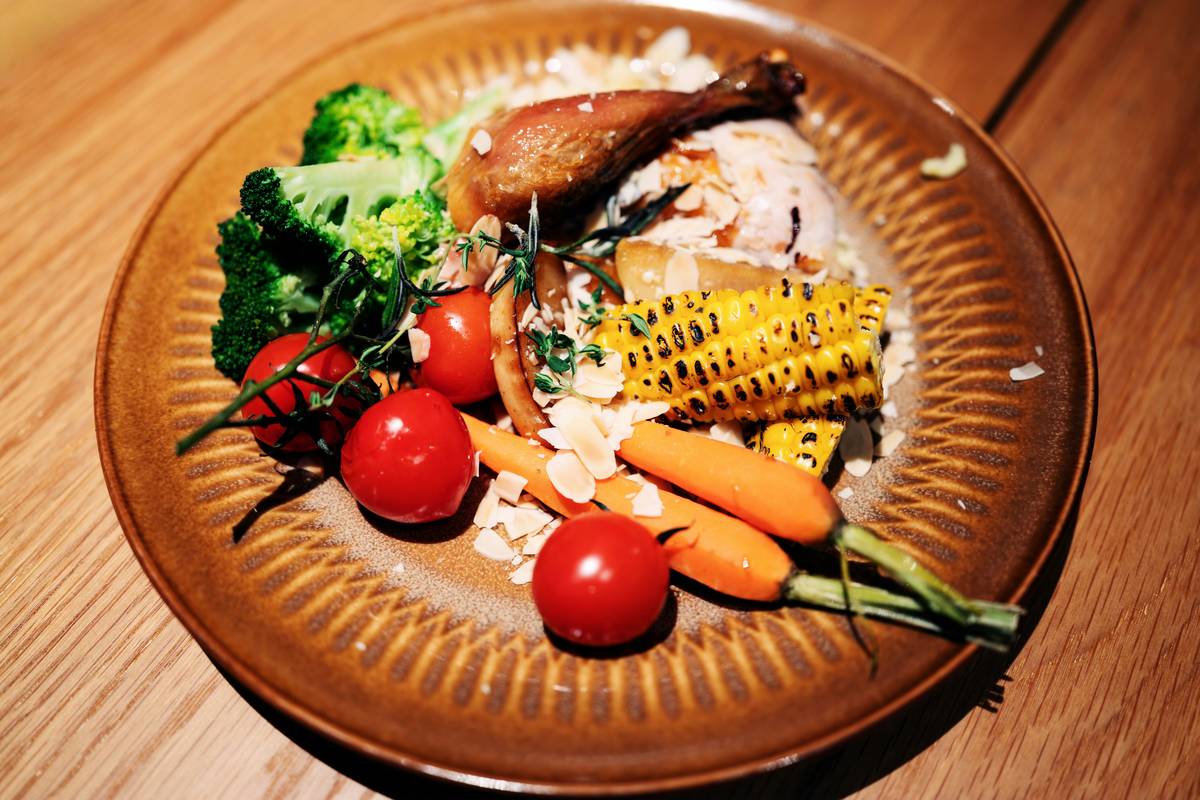
Insulin spikes trigger inflammation and suppress ovulation, lowering progesterone. Aim for 20–30g of protein + fiber at every meal. Example: scrambled eggs with spinach and avocado > sugary yogurt with granola.
2. Sleep Like Your Liver Depends on It (It Does)
Your liver processes excess estrogen between 1–3 a.m.—but only if you’re asleep before midnight. No amount of DIM supplements will fix chronic sleep deprivation.
3. Ditch Seed Oils (Yes, Even in “Healthy” Snacks)
Vegetable oils (soybean, canola, corn) are high in omega-6 fatty acids that promote inflammatory prostaglandins—worsening cramps and acne. Swap for olive oil, avocado oil, or ghee.
4. Get the RIGHT Testing
Standard serum labs miss free vs. bound hormones and daily cortisol rhythms. Ask for a DUTCH test (Dried Urine Test for Comprehensive Hormones)—it’s gold standard for functional hormone assessment (ZRT Laboratory, 2023).
7 Non-Negotiable Best Practices (Backed by Endocrinology & Real Life)
- Don’t skip dietary fat. Cholesterol is the raw material for all steroid hormones. No fat = no progesterone.
- Movement > intense cardio. Excess HIIT elevates cortisol. Try 30-min walks + strength training 3x/week.
- Support phase-specific nutrition. Post-ovulation (luteal phase)? Up magnesium and B6 for GABA support.
- Filter your water. Tap water contains endocrine disruptors like BPA analogs. Use a carbon + reverse osmosis filter.
- Manage blue light after sunset. Melatonin regulates estrogen receptor sensitivity. Wear amber glasses if scrolling post-9 p.m.
- Eat cruciferous veggies daily. Sulforaphane in broccoli sprouts upregulates liver detox pathways (CYP1A1/1B1 enzymes).
- Track symptoms, not just your period. Use apps like Clue or Natural Cycles to correlate mood, energy, and cravings with cycle phases.
🚨 The Terrible Tip You Must Avoid
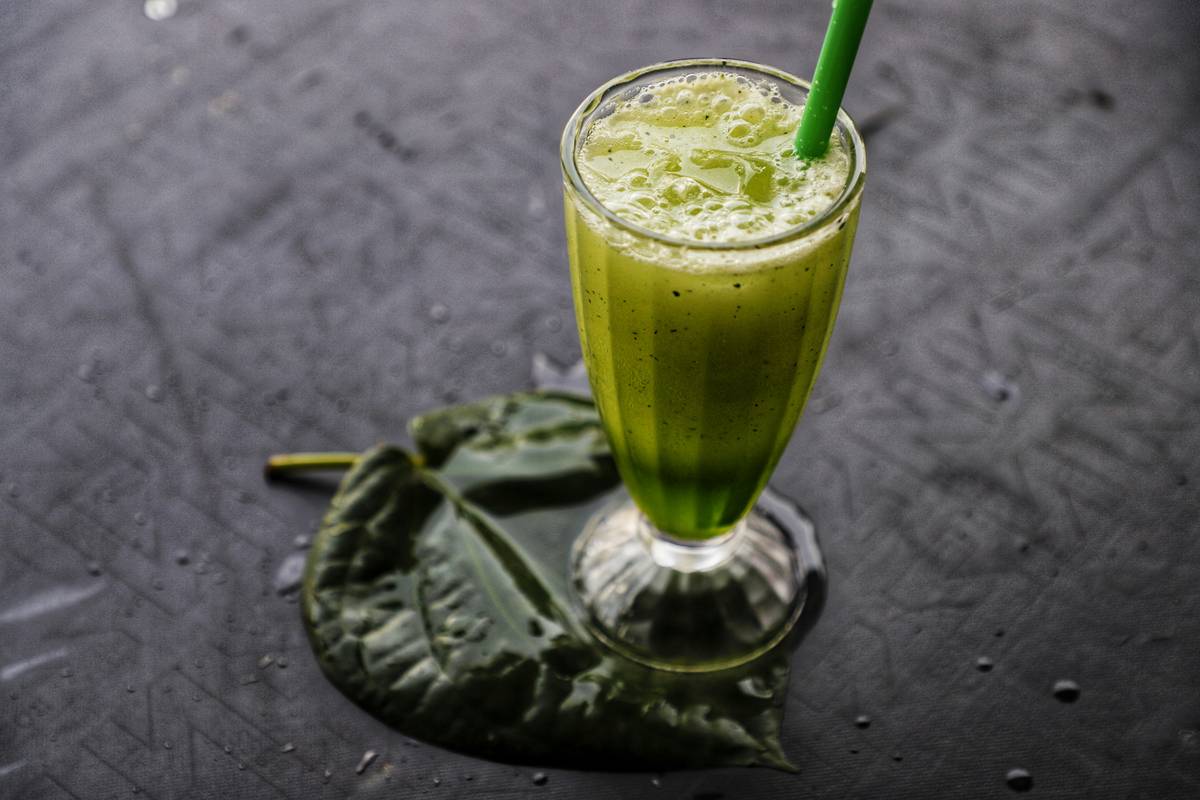
“Just do a juice cleanse!” Nope. Fasting or severely restricting calories signals starvation to your hypothalamus, shutting down reproductive function (hello, hypothalamic amenorrhea). Your body won’t make sex hormones if it thinks you’re in famine mode. Been there—lost my period for 8 months chasing “lean” via green juice. Not worth it.
Rant Time: My Pet Peeve in Women’s Wellness
Why do influencers push “estrogen detox” protocols that strip essential fats and ignore insulin’s role? Hormones aren’t villains to be purged—they’re messengers needing better communication. Stop treating your body like a toxin dump and start nourishing it like the intelligent ecosystem it is.
Real Client Case Study: From Chronic Fatigue to Cycle Syncing Success
Sarah, 34, came to me after 2 years of unexplained fatigue, hair loss, and missed periods. She’d tried keto, intermittent fasting, and expensive adrenal supplements—with zero results. Lab work revealed low free T3 (thyroid), high reverse T3, and flatlined cortisol rhythm via DUTCH test.
We focused on:
– Adding back healthy carbs (sweet potato, oats) at breakfast
– Shifting workouts to follicular phase only
– Prioritizing 7+ hours of pre-midnight sleep
– Using phosphatidylserine to modulate cortisol
Within 4 months, her period returned, energy stabilized, and hair shedding reduced by 80%. Moral? Hormone balance isn’t about restriction—it’s about strategic nourishment.
FAQs About Hormone Balance
How long does it take to balance hormones?
Most women see symptom shifts in 3–6 months with consistent lifestyle changes. Hormone half-lives vary (cortisol: 60–90 min; estrogen: 10–20 hrs), but tissue-level healing takes time.
Can birth control help balance hormones?
Oral contraceptives suppress your natural cycle—they don’t “balance” hormones. They may mask symptoms while depleting B vitamins, magnesium, and CoQ10 (NIH, 2020). Discuss pros/cons with a functional MD.
Are there natural ways to lower estrogen?
Yes: increase fiber (binds excess estrogen in gut), eat flaxseeds (lignans modulate receptors), reduce alcohol (impairs liver COMT enzyme), and sweat daily (estrogen excreted via skin).
Does stress really affect hormones?
Absolutely. Chronic stress → elevated cortisol → steals progesterone (“pregnenolone steal”) → estrogen dominance. It’s biochemistry, not imagination.
Conclusion
So—how do I balance my hormones? By honoring your body’s intelligence, not fighting it. Ditch fad cleanses. Prioritize protein, sleep, and smart testing. Remember: your hormones aren’t broken—they’re responding perfectly to the environment you’re giving them. Change the inputs, and the outputs shift.
You don’t need perfection. Just consistency, compassion, and maybe that second cup of coffee.
Late-night thought while editing this post: I once took maca powder at 8 p.m. and stared at the ceiling until 2 a.m. Some lessons are best learned the hard way.
Haiku for the hormonally weary:
Liver works at night,
Estrogen flows out with dawn—
Eat your broccoli.